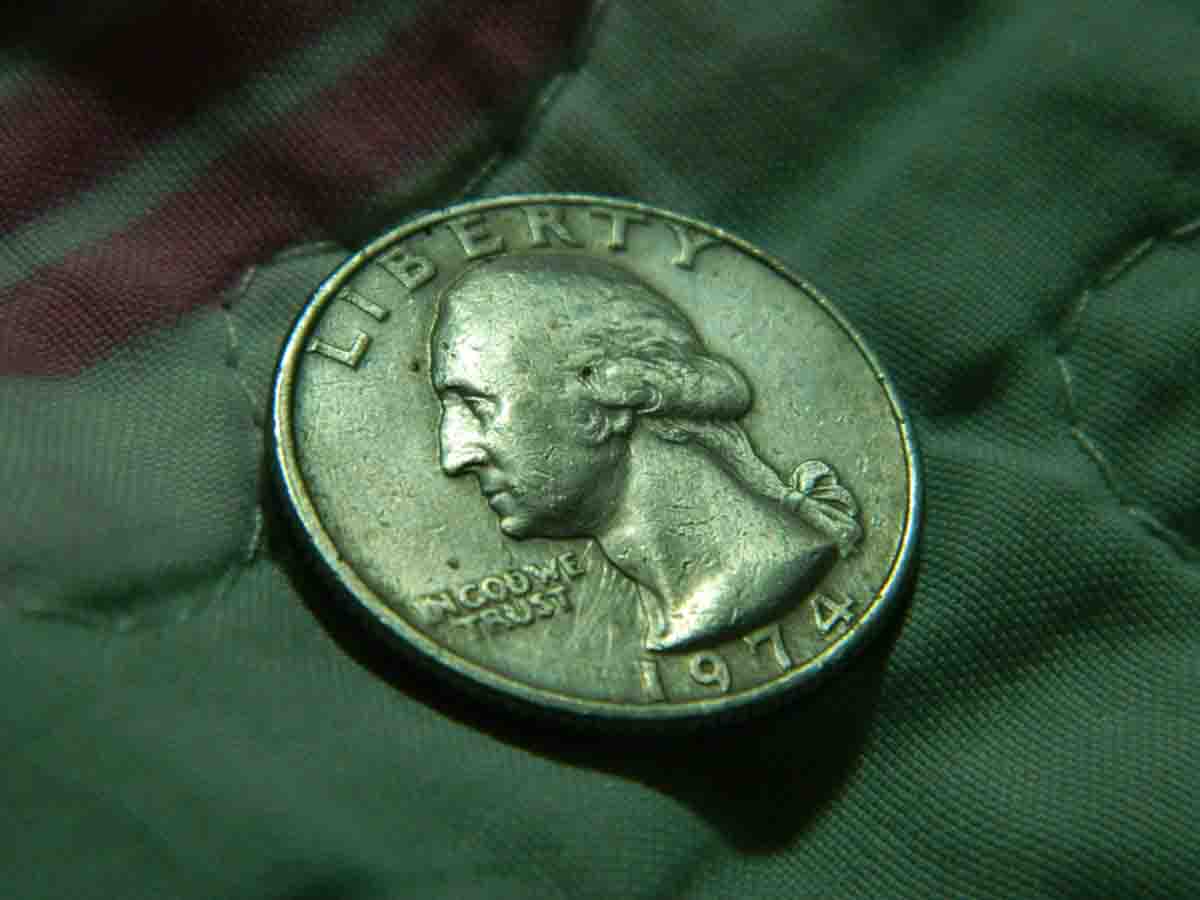
As a seasoned content writer with over 8 years of experience, I’ve encountered numerous fascinating stories in the world of rare coins. One of the most captivating is the claim that a 1974 Bicentennial Quarter is worth $170 million and may still be in circulation. While it may sound unbelievable, this story has stirred interest across the coin collecting community. Let’s explore the facts behind this claim, and what makes certain coins so valuable.
Understanding the Bicentennial Quarter
The Bicentennial Quarter was issued in 1976 to celebrate 200 years of American independence. It features a unique reverse design of a colonial drummer boy and the dual date “1776–1976.” These quarters were widely distributed and are still commonly found in circulation.
Interestingly, no quarters were minted with a 1975 date. The U.S. Mint continued minting 1974 quarters until the Bicentennial design was ready. That’s why collectors often search for 1974 quarters, sometimes mistaking them for potential rare finds.
The $170 Million Claim: Is It Real?
The viral claim that a 1974 Bicentennial Quarter is worth $170 million is not grounded in any verified auction or record. While it’s an exciting idea, it’s more of a modern myth than fact.
However, some coins from this era can be worth a lot due to factors such as:
- Minting errors
- High-grade condition (MS67 or above)
- Proof versions
- Historical rarity
While no 1974 quarter has ever sold for anything remotely close to $170 million, there are documented sales of high-grade or error quarters reaching several thousand dollars.
What Makes a 1974 Quarter Valuable?
1. Mint Marks
- No mint mark – Philadelphia Mint
- “D” mint mark – Denver Mint
- “S” mint mark – San Francisco Mint (usually proof coins)
Proof coins and quarters with an “S” mint mark are often more desirable to collectors, especially when in perfect condition.
Read more about valuable lincoln wheat penny valued at 51 million still in circulation.
2. Minting Errors
Coins with minting errors are among the most valuable in the coin world. A 1974 quarter with an off-center strike, double die, or clipped planchet could be worth significantly more than its face value.
3. Condition & Grading
Coins are graded on a 1–70 scale. Coins that are MS65 or higher can fetch a much higher price than circulated coins. A coin with a PF70 (perfect proof grade) can be worth several thousand dollars.
How to Identify a Potentially Valuable 1974 Quarter
If you’re hoping to find a rare or valuable 1974 quarter, here are a few steps to follow:
- Inspect the Coin’s Condition: Look for scratches, wear, or blemishes.
- Check for Mint Errors: Unusual strikes, doubling, or missing elements could indicate a rare coin.
- Look at the Edges: Some rare coins have unusual edge characteristics.
- Compare with Known Examples: Study online catalogs or collector forums for known error types.
- Consider Professional Grading: Services like PCGS or NGC can certify and appraise your coin.
Should You Start Collecting?
Coin collecting is a rewarding hobby that offers historical insight and the possibility of discovering hidden value. Even though the $170 million quarter story is exaggerated, there are still many coins out there worth hundreds or thousands of dollars.
Whether you’re an experienced numismatist or a casual enthusiast, staying informed and learning to identify unique coins can add both enjoyment and potential value to your collection.
FAQs
Can a 1974 quarter be worth thousands of dollars?
Yes, if it’s a rare error coin or in exceptional condition (MS67 or higher), it can be worth hundreds to thousands of dollars.
Are Bicentennial Quarters valuable?
Most are worth face value, but rare proofs and error coins in top condition can fetch higher prices.
What is the highest known price for a 1974 quarter?
Some high-grade proof coins have been sold for several thousand dollars at auction.
How do I find out if my coin is valuable?
Look for mint errors, assess its condition, and consider having it professionally graded.