
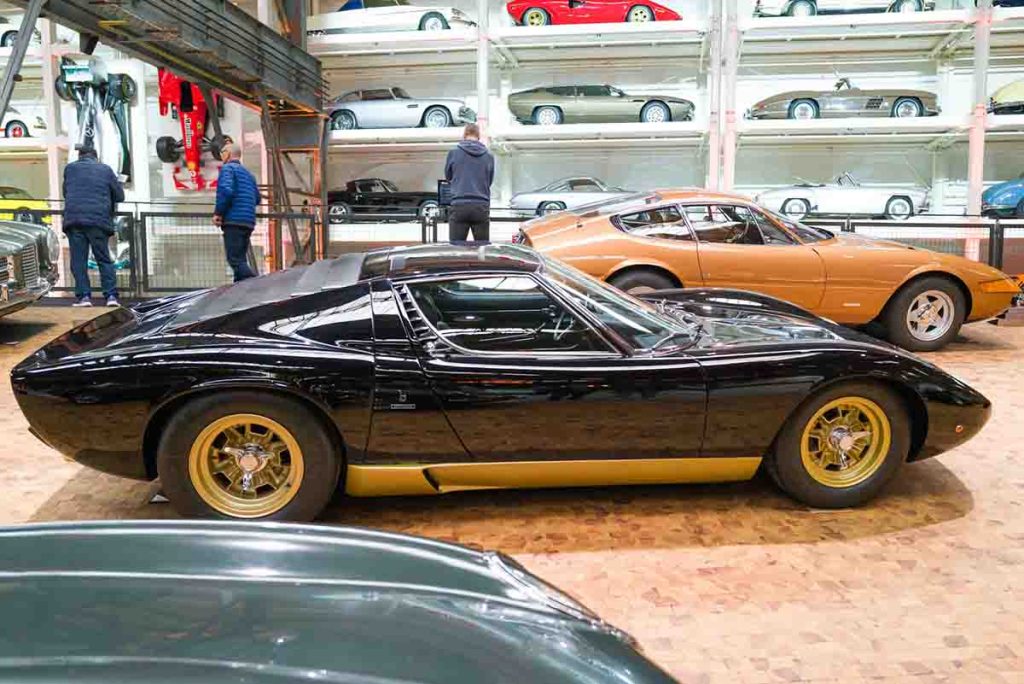
Introduction to Lamborghini Miura: The First True Supercar
The Lamborghini Miura is more than just a vintage Italian sports car it’s the automobile that rewrote the rulebook. Introduced in 1966 by Automobili Lamborghini S.p.A., the Miura was the world’s first production mid-engine supercar, combining speed, elegance, and innovation into a package that astonished the automotive world. Even today, it remains one of the most celebrated cars among enthusiasts, collectors, and historians.
The Genesis of the Lamborghini Miura
When Ferruccio Lamborghini challenged the dominance of Ferrari in the 1960s, few expected his team to produce a vehicle that would redefine performance vehicles forever. Developed by a group of young engineers led by Gian Paolo Dallara the Miura debuted at the 1966 Geneva Motor Show and immediately stole the spotlight.
Design and Engineering Brilliance
Styled by Marcello Gandini of Bertone, the Miura was a masterpiece from every angle. Its sleek, low-slung profile, pop-up headlights, and aggressive stance made it a design revolution.
- Engine Layout: Transversely mounted 3.9-liter V12 engine
- Top Speed: ~174 mph (280 km/h)
- 0-60 mph: ~6.3 seconds
- Horsepower: 350–385 hp, depending on model variant
The engine placement behind the seats (a mid-engine layout) was radical for a road car at the time, and it allowed for superior weight distribution and handling.
Variants and Production Timeline
The Miura evolved through several models over its production run from 1966 to 1973:
- Miura P400 (1966–1969): The original version with a 350-hp V12.
- Miura P400S (1968–1971): Upgraded with more power, electric windows, and improved interior.
- Miura P400SV (1971–1973): Final production model with 385 hp, wider rear tires, and no “eyelashes” around the headlights.
- Miura Jota (1970): A special experimental race version extremely rare and collectible.
Only 764 units were ever produced, making it one of the rarest and most coveted collector cars in the world.
Cultural Impact and Legacy
The Lamborghini Miura became a symbol of wealth, power, and style, frequently seen in the garages of celebrities and in popular culture:
- Featured in movies like The Italian Job (1969)
- Owned by icons like Frank Sinatra and Rod Stewart
- Displayed at global museums including the Petersen Automotive Museum (link)
Its timeless appeal makes it a highlight at prestigious auctions. In fact, pristine models have sold for over $3 million in recent years.
How the Miura Influenced Future Supercars
The Miura’s mid-engine layout set the blueprint for future high-performance supercars, including:
- Ferrari 512 BB
- Porsche Carrera GT
- Pagani Zonda
- Lamborghini Countach (its direct successor)
By moving the engine behind the driver, the Miura emphasized balance, agility, and visual drama a formula that continues to dominate supercar design today.
Also read : Ford Mustang (1969-1970): The Muscle Car That Redefined American Performance
Where to See the Lamborghini Miura Today
If you’re based in the U.S. and want to see the Miura in person, here are some great places to explore:
- Lamborghini Lounge NYC: https://www.lamborghini.com
- Petersen Automotive Museum, Los Angeles
The Quail, A Motorsports Gathering – Monterey Car Week
Collector Value and Auction Records
The Miura is not just a car it’s an appreciating investment. In auctions hosted by RM Sotheby’s and Gooding & Company, several Miuras have fetched over $2 million, especially the rare SV and Jota variants.
Explore auctions at RM Sotheby’s: https://rmsothebys.com
FAQs
How many Lamborghini Miuras were made?
A total of 764 units were produced between 1966 and 1973.
How much is a Lamborghini Miura worth today?
Depending on condition and variant, they can range from $1.5 million to over $3 million.
Can I drive a Miura on U.S. roads?
Yes, but given its age and value, it’s typically used for shows, exhibitions, or private collections.
Where can I see or buy a Miura?
You can find Miuras in museums, luxury car dealerships, and at auctions like RM Sotheby’s or Bonhams.
Conclusion: A Timeless Automotive Legend
The Lamborghini Miura didn’t just launch a new era of supercars—it redefined what a road car could be. With its stunning design, revolutionary engineering, and cultural prestige, the Miura remains one of the most iconic vehicles in automotive history.
If you’re an auto enthusiast, visiting a Miura or even seeing one at an auction is a must. And if you’re lucky enough to own one, you’re driving a legend.