
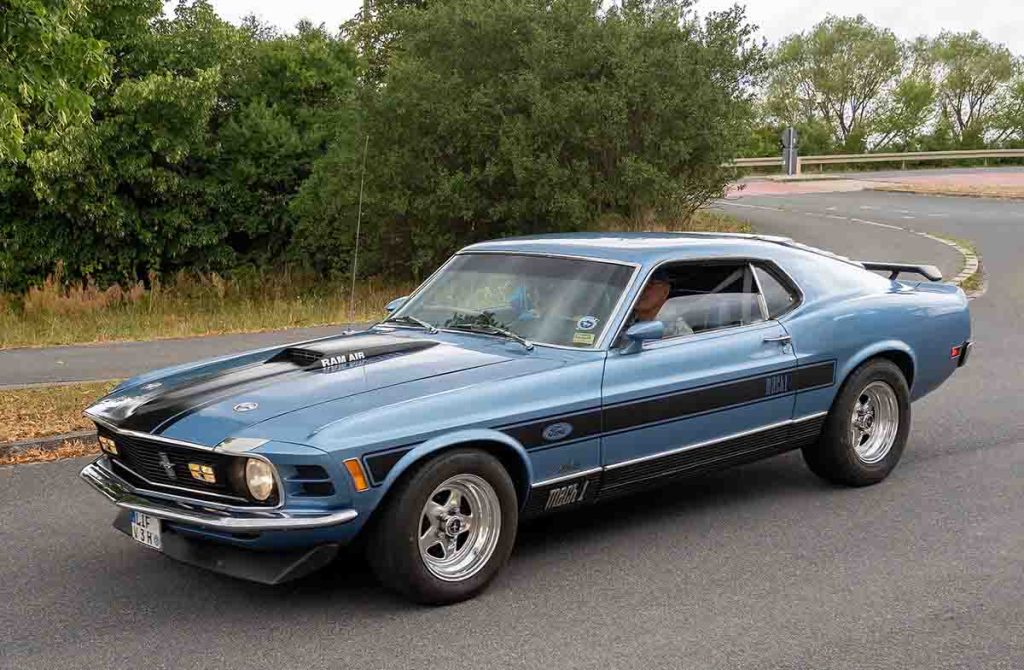
Ford Mustang (1969-1970)
The Ford Mustang (1969-1970) is a pivotal chapter in the story of American muscle cars. These two model years introduced bold design changes, powerful performance options, and iconic variants that continue to capture the hearts of car enthusiasts. Whether you’re a classic car collector or a new fan of vintage automobiles, the 1969-1970 Mustang represents the pinnacle of late-’60s automotive engineering and style.
The Evolution of the Ford Mustang (1969-1970)
When the Mustang debuted in 1964, it quickly became a symbol of freedom and performance. By 1969, the competition had grown fierce, prompting Ford to evolve the Mustang’s design. The 1969 model year introduced a longer, wider body and an aggressive front fascia featuring four headlights. These updates made the Mustang appear more muscular and performance-driven.
In 1970, Ford refined the design by returning to a dual-headlight layout and tweaking the grille and taillight design. Although subtle, these changes brought the Mustang closer to its original pony car roots while maintaining a modern and fierce look.
Performance That Defined an Era
The Ford Mustang (1969-1970) offered a variety of powertrain options that catered to every type of driver. From casual cruisers to drag strip racers, Ford had something for everyone.
Popular Engine Options:
- 302 cu in V8 (Boss 302): Designed for Trans-Am racing, the Boss 302 delivered 290 horsepower and incredible handling.
- 351 cu in V8 (Windsor/Cleveland): Found in Mach 1 variants, offering excellent torque and mid-range power.
- 390 cu in V8: A big-block engine that provided serious performance.
- 428 Cobra Jet: One of the most powerful options, the 428 Cobra Jet could produce over 400 horsepower in race trim.
- Boss 429: A rare homologation model, the Boss 429 was a street-legal race car with a NASCAR-derived engine.
These performance packages were mated to either a 3-speed or 4-speed manual transmission or a 3-speed automatic, depending on the model and buyer preference.
Iconic Variants and Trim Levels
Mach 1
Introduced in 1969, the Mach 1 replaced the GT model and became an instant hit. With performance-focused features like a matte-black hood, hood scoop, and competition suspension, the Mach 1 was both stylish and powerful.
Boss 302 & Boss 429
These limited-production models were designed for racing homologation. The Boss 302 was aimed at SCCA Trans-Am racing, while the Boss 429 was created to meet NASCAR requirements. Both are among the most collectible Mustangs today.
Grande and Convertible
For buyers looking for a touch of luxury, the Grande trim offered a vinyl roof, wood grain interior, and quieter ride. The convertible option remained popular among those seeking open-top freedom.
Collectability and Market Value
The Ford Mustang (1969-1970) is a darling of collectors and classic car auctions. Rarity, engine size, and originality greatly impact value.
- A well-maintained 1969 Boss 429 can fetch over $300,000.
- A restored Mach 1 or Boss 302 can command between $60,000 to $150,000.
- More common fastbacks and convertibles often range from $30,000 to $70,000, depending on condition.
(Source: Hagerty Valuation Tools)
Pop Culture and the Mustang Legacy
The 1969-1970 Mustangs have appeared in countless films, TV shows, and commercials. Perhaps the most famous is the 1968 fastback driven by Steve McQueen in “Bullitt,” which inspired special edition Mustangs for years to come. Their distinctive growl, aggressive design, and legacy of speed ensure they remain embedded in American culture.
Also read : Lamborghini Miura – The Iconic Supercar That Changed Automotive History
Restoring and Owning a Classic Mustang
Restoring a 1969 or 1970 Mustang can be a rewarding but expensive endeavor. Parts are widely available thanks to a robust aftermarket community. Restoration shops and online forums such as Vintage-Mustang.com provide valuable guidance.
Ownership also includes participation in local car clubs, classic car shows, and Mustang-specific events such as the annual Mustang Week in Myrtle Beach, SC.
FAQs
What engine options were available for the Ford Mustang (1969-1970)?
Engine options included the 302, 351, 390, 428 Cobra Jet, and the rare 429 Boss V8s.
What is the rarest model of the 1969-1970 Mustang?
The Boss 429 is among the rarest and most valuable, with fewer than 1,400 produced in 1969.
Are restoration parts easy to find for these Mustangs?
Yes. Due to their popularity, many restoration parts are available through suppliers like CJ Pony Parts and NPD.
How much does a 1969-1970 Ford Mustang cost today?
Prices range from $30,000 to over $300,000 depending on model, condition, and originality.
Final Thoughts
The Ford Mustang (1969-1970) remains a cornerstone of American muscle car history. With their aggressive styling, legendary performance, and strong collector interest, these Mustangs continue to make headlines and hearts race. Whether you’re a seasoned collector or an admirer from afar, their legacy is undeniable.