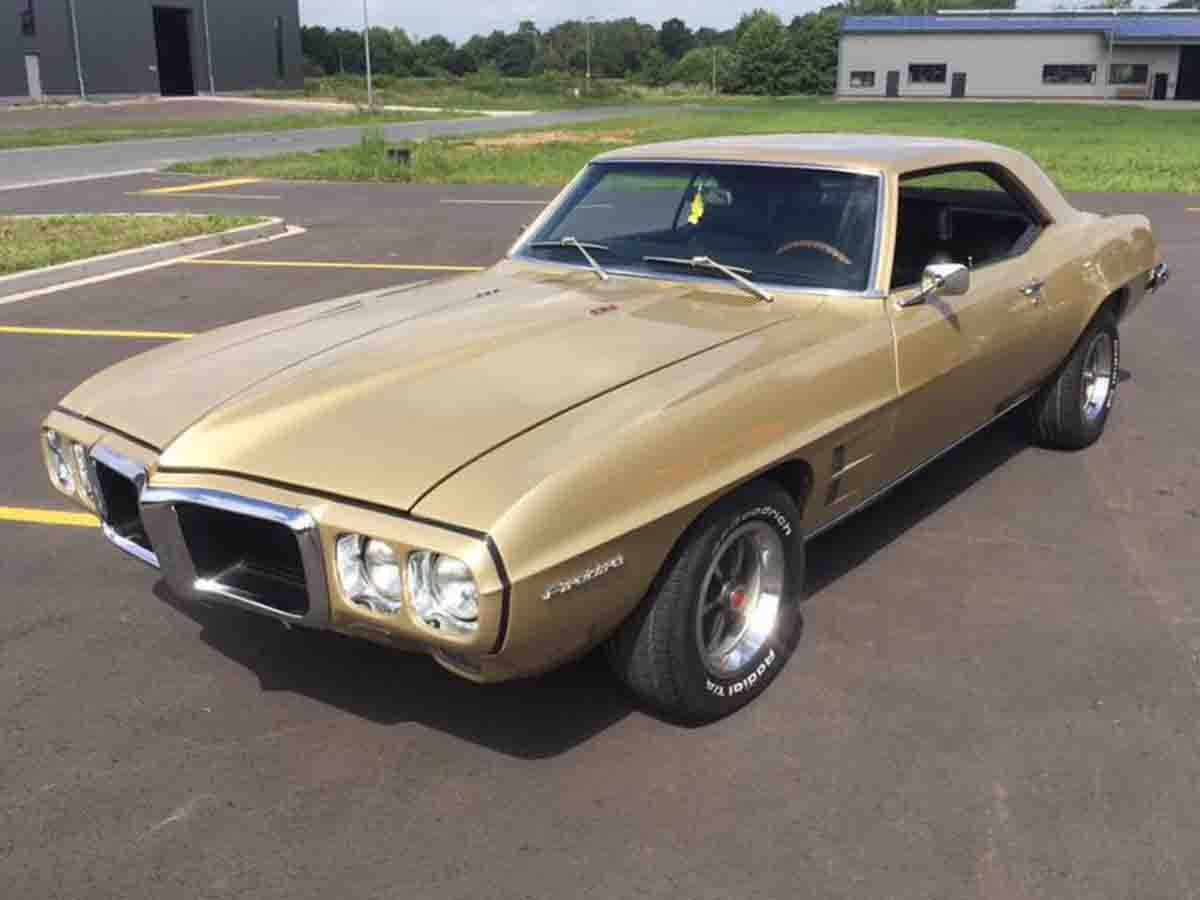
Legendary Muscle: The Iconic 1969 Pontiac Firebird That Still Turns Heads
The 1969 Pontiac Firebird is a name that echoes through the golden era of American muscle cars. This powerhouse, birthed at the height of the muscle car wars, blends raw performance, bold design, and a rebellious spirit. With decades of admiration behind it, the 1969 Firebird stands as one of the most celebrated vehicles in American automotive history and a top-tier collectible for serious car enthusiasts.
Why the 1969 Pontiac Firebird is Highly Collectible
The Firebird debuted in 1967 as Pontiac’s answer to the Ford Mustang and Chevrolet Camaro. But by 1969, the Firebird had carved out its unique identity. With a more aggressive facelift, functional hood scoops, and performance packages like the Trans Am (introduced this model year), it became a true performance icon.
What makes the 1969 Firebird collectible today? Limited production numbers for specific variants, like the Trans Am (only 697 units built), and the availability of powerful engine options like the 400 HO and Ram Air IV V8, contribute to its high demand. The Firebird Trans Am of 1969 is especially sought after due to its rarity, performance pedigree, and historical importance in launching what would become a legendary sub-brand.
From an investment standpoint, the Firebird ticks all the right boxes of scarcity, desirability, and cultural impact.
Estimated Value of a 1969 Pontiac Firebird
Values for the 1969 Pontiac Firebird vary significantly based on the trim, engine, and originality. A base model in decent condition might sell for around $30,000 to $45,000. However, Ram Air IV-equipped models or original Trans Ams can command serious money. Restored 1969 Trans Am Firebirds have fetched prices upwards of $200,000 at classic car auctions. A pristine, numbers-matching Trans Am is a blue-chip collector’s item that continues to appreciate in value.
Highlight: The 1969 Firebird Trans Am
One of the most exciting stories in the 1969 Firebird lineup is the introduction of the Trans Am. Originally created as a race-ready variant to compete in the SCCA’s Trans-American Sedan Championship, the Trans Am package added unique styling, improved suspension, and performance upgrades. All 1969 Trans Ams were painted Cameo White with blue stripes, a signature look that’s instantly recognizable.
Fun Fact: The name “Trans Am” was licensed from the Sports Car Club of America for $5 per car!
Performance & Design: Muscle Meets Elegance
The 1969 Firebird’s design was a noticeable departure from earlier years. It featured a longer nose, a wider stance, and a more aggressive grille that set it apart from the Camaro, even though both shared the same F-body platform. Pontiac’s engineers focused on performance and handling by offering robust engines ranging from the 250ci inline-six to the monstrous 400ci V8 Ram Air IV.
The ride quality was surprisingly refined for a muscle car, with enhanced suspension options and steering feedback that made the Firebird a favorite not just on straightaways but also in the corners. The Trans Am package, in particular, was aimed at improving cornering agility and high-speed stability truly ahead of its time.
Inside, the cockpit had a driver-centric layout, bucket seats, and a full suite of performance gauges. This wasn’t just a fast car, it was a statement of American engineering.
Also read : The Ferocious 1970 Buick GSX: Muscle Car Rarity with Monster Torque
FAQs About the 1969 Pontiac Firebird
What are the rarest versions of the 1969 Firebird?
The 1969 Firebird Trans Am Ram Air IV and convertibles are among the rarest and most valuable variants.
What’s the top speed of a 1969 Pontiac Firebird?
Depending on the engine, the Firebird could reach up to 130–140 mph. The Ram Air IV cars were especially quick.
What’s the difference between a Firebird and a Trans Am?
The Trans Am was a performance and appearance package offered on the Firebird, featuring improved handling, unique styling, and more powerful engines.
Is the 1969 Pontiac Firebird a good investment?
Yes, especially rare variants like the Trans Am. Prices have been climbing steadily due to increasing demand and limited supply.
Conclusion
The 1969 Pontiac Firebird is more than just a piece of automotive history it’s a muscle car icon that continues to inspire and excite car lovers around the world. With its aggressive looks, roaring performance, and limited availability, the Firebird stands as one of the finest examples of Detroit’s golden muscle era.
Whether you’re a collector hunting for your next prize or a nostalgic enthusiast dreaming of a bygone era, the 1969 Firebird delivers in every category design, performance, and investment potential.