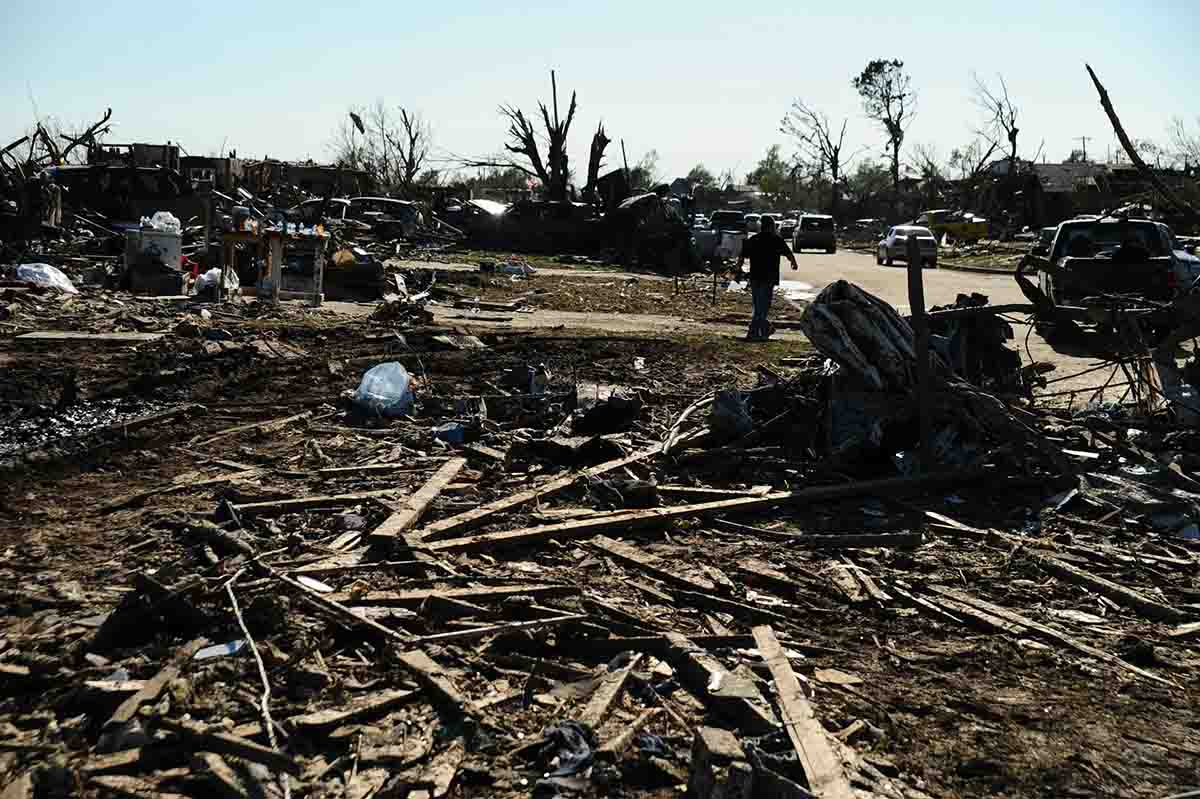
In 2025, the United States faces a transformative period in disaster relief and emergency aid. Significant policy shifts, agency restructurings, and funding reallocations are redefining how the nation prepares for and responds to natural disasters. This article delves into the current state of disaster management, highlighting key changes and their implications for communities nationwide.
FEMA’s Evolving Role in Disaster Management
The Federal Emergency Management Agency (FEMA) is undergoing a substantial transformation. Acting Administrator David Richardson announced a policy shift, transferring more disaster recovery responsibilities to individual states during the 2025 Atlantic hurricane season. This move aligns with broader goals to downsize the federal government and potentially eliminate FEMA, a notion supported by Homeland Security Secretary Kristi Noem.
Richardson emphasized strengthening state-level disaster preparedness while limiting FEMA’s role to coordination and oversight when necessary. This shift arrives as the U.S. anticipates an above-average hurricane season, with 17 named storms and four expected major hurricanes.
USDA’s Expedited Assistance for Farmers and Rural Communities
The U.S. Department of Agriculture (USDA) is taking proactive steps to support farmers and rural communities affected by natural disasters. Secretary Brooke Rollins announced the launch of the Emergency Commodity Assistance Program (ECAP), which has already distributed over $7.3 billion to nearly half a million farmers across 49 states.
Additionally, the USDA plans to open applications for nearly $21 billion in disaster aid by the end of May. This aid targets agricultural losses from natural disasters in 2023 and 2024, including droughts and hurricanes. Livestock producers can sign up for losses tied to drought and wildfire at the end of May, while crop producers who suffered income losses are expected to enroll for payments in July.
Community-Level Impacts and Concerns
The decentralization of disaster management raises concerns about the readiness of state and local governments to handle increased responsibilities. Critics argue that not all states have the financial capability to manage this increased burden, potentially leaving communities more vulnerable during disasters.
Furthermore, the reduction in FEMA’s workforce and the shift in responsibilities may hinder coordination with state and local officials, compromising disaster response efficacy. Experts suggest these moves could leave communities more vulnerable as the storm season begins.
FAQs
How is the USDA supporting farmers affected by natural disasters?
The USDA has launched the Emergency Commodity Assistance Program (ECAP) and plans to open applications for nearly $21 billion in disaster aid to support farmers and rural communities impacted by natural disasters in 2023 and 2024.
What are the concerns regarding the shift in disaster management responsibilities to states?
There are concerns that not all states have the financial and logistical capacity to manage increased disaster response responsibilities, potentially leading to gaps in preparedness and response.
How can individuals apply for disaster assistance?
Individuals can apply for disaster assistance through DisasterAssistance.gov or by contacting their local emergency management agencies.